
 ムラゴン ホーム
Tales from the Crypt: The Horror Anthology That Changed Comics, TV, and Pop Culture
Tales from the Crypt: The Horror Anthology That Changed Comics, TV, and Pop Culture
Step inside the shadows and you'll find " Tales from the Crypt "—the horror series that took comics, TV, and movies by storm. What started as a comic in the 1950s grew into a pop culture legend, shocking and delighting fans with dark humor and twisted tales.
The stories are bold, pushing the limits of what was allowed in comics. Its spooky narrator and clever twists left a mark on anyone who watched or read an issue. From its famous host to its lasting influence, "Tales from the Crypt" proved that scary stories never go out of style.
Origins of Tales from the Crypt Comics
The story behind "Tales from the Crypt" begins in smoky editorial rooms filled with stacks of wild, eye-catching comics. Before the TV show and movies, "Tales from the Crypt" was a humble comic series that turned horror into a spectacle you couldn't ignore. EC Comics, the company behind the series, gave horror fans twisted tales that were miles apart from superhero stories. Now, let's pull back the curtain on how this spine-chilling series was born, who brought it to life, and why it nearly disappeared from comic shops forever.
The Birth of EC Comics and Horror Anthologies

Photo by Erik Mclean
In the late 1940s, EC Comics (short for Entertaining Comics) was just another comic publisher trying to find its groove. They started with romance and adventure stories, but William Gaines, who inherited the business from his father, wanted something different.
By 1950, Gaines shifted the focus to horror, suspense, and crime. The first big hit was "The Crypt of Terror," soon renamed "Tales from the Crypt." This and other EC anthologies like "The Vault of Horror" and "The Haunt of Fear" sometimes shared storylines and hosts, creating a connected, shadowy universe.
Some things that made EC's horror memorable comics:
- Stories packed with irony, dark humor, and moral twists.
- Covers with bold and lurid artwork that jumped off the stands.
- Host characters (like the Crypt Keeper) who teased and joked before every story.
EC's formula worked. By the early 1950s, "Tales from the Crypt" was a top seller, giving readers goosebumps before bedtime.
Key Writers and Illustrators Behind the Series
The real magic happened thanks to a creative crew who weren't afraid to push boundaries. William Gaines and editor Al Feldstein led a small army of talented writers and artists who understood what made horror tick.
Notable creators included:
- Al Feldstein – Oversaw editing and scripted many of the stories with sharp wit.
- Johnny Craig – Both a writer and artist, known for blending chilling suspense with strong visuals.
- Jack Davis – Brought the monsters and madmen of "Tales from the Crypt" to life with a wild, exaggerated art style.
- Graham Ingels – Famous for his grotesque, unsettling work and creating the look of the Crypt Keeper.
The artwork in "Tales from the Crypt" wasn't about heroes in capes. These artists played with shadows, dramatic faces, and haunting settings. Their goal? Startle readers and make them keep the lights on at night.
Controversy and Censorship: The Comics Code Authority
In the 1950s, "Tales from the Crypt" ran into a wall of angry parents and wary legislators. These comics shook things up with graphic imagery and stories where villains often got what they deserved—in gruesome ways.
Some parents and community groups saw the comics as dangerous, blaming them for bad behavior in kids. The media picked up the outrage. The Senate even held hearings on comic books and their effect on young people. This led to the creation of the Comics Code Authority—a strict set of rules that banned horror themes, monsters, and anything “inappropriate.”
The crackdown nearly ended horror comics in America. EC was forced to stop most of its horror titles, including "Tales from the Crypt." For years, these stories faded from shelves, living on in old collections and whispered memories.
But the impact stuck. EC's forbidden stories kept their cult status, influencing writers, filmmakers, and artists far beyond the 1950s.
The HBO Television Series: Reviving the Horror Genre
When HBO brought “Tales from the Crypt” to television in 1989, horror fans got more than just a nostalgia trip—they got a series that pushed the boundaries of TV horror. For seven seasons, the show brought dark, twisted tales from the comics to living rooms, shattering TV norms for gore, wit, and style. The mix of grim humor and chilling stories helped shape how horror could be done on the small screen.
Adapting Comics to the Small Screen: Challenges and Successes
Bringing “Tales from the Crypt” from page to screen was no easy job. The original comics thrived on shock, gruesome imagery, and stories that walked a fine line between camp and creeping dread. In the '80s, many believed TV couldn't—or shouldn't—be that bold. But HBO wasn't regular network TV, and that made all the difference.
- Freedom from Censors: HBO's subscription model allowed for graphic violence, strong language, and dark humor that network TV avoided.
- Anthology Format: Each episode told its own complete story, letting writers adapt wild, one-off tales from the comics—just like the original.
- Art Direction and Tone: The show kept the lurid colors, exaggerated style, and twisted humor that made the comics stand out.
Not every story was a hit, but the creative team, which included famous names like Robert Zemeckis and Richard Donner, somehow bottled the weird energy of the comics. The result? TV horror that never felt watered down.
The Crypt Keeper: Iconic Horror Host
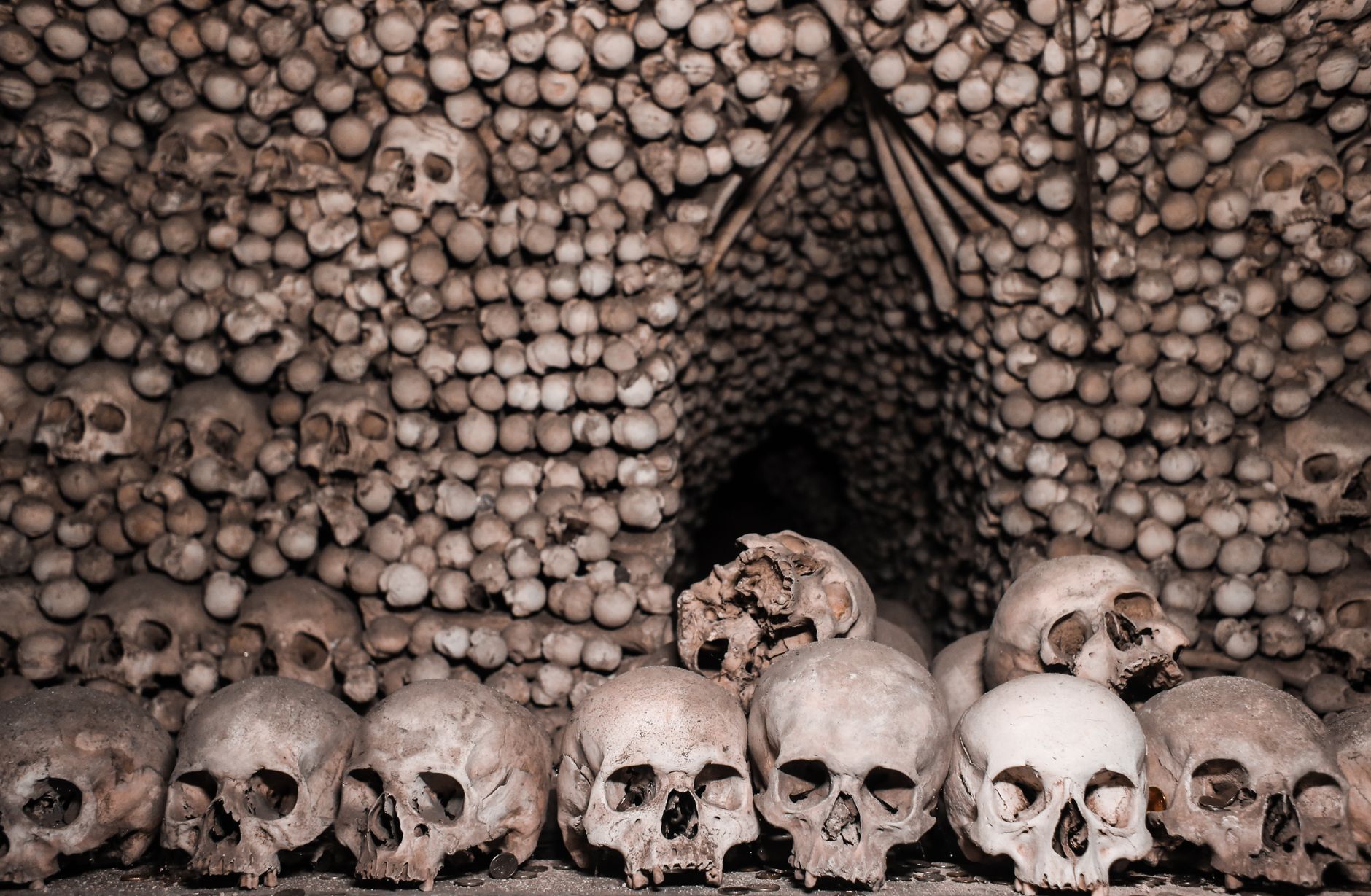
Photo by Rachel Claire
No one forgets the Crypt Keeper. With his rotting grin, wild puns, and cackling laugh, he did more than introduce stories—he became the show's playful mascot.
- Puppetry and Performance: The Crypt Keeper was a top-tier animatronic puppet, voiced by John Kassir. He was full of personality, cracking puns and breaking the fourth wall.
- Character Design: His look blended grotesque makeup with just enough charm. Grotesque, yet weirdly lovable, he took cues straight from the comics.
- Cultural Impact: The Crypt Keeper became a pop culture star, spawning, merchandise cameos, and even a brief foray into children's cartoons.
His presence shaped every episode, linking stories together and keeping the mood twisted yet fun.
Memorable Episodes and Guest Stars
Fans remember “Tales from the Crypt” for more than just scares. The series drew top Hollywood talent, making each episode a mini-event.
Some standout episodes and guest appearances include:
- “And All Through the House”: A classic killer-Santa-claus episode, dripping with dark seasonal humor and suspense.
- “The Man Who Was Death”: The first episode set the pace with grim justice and a memorable antihero, played by William Sadler.
- “Yellow”: A World War I thriller starring Kirk Douglas and his son Eric Douglas—a rare father-son team-up on screen.
- Hollywood Royalty: Guest stars included Whoopi Goldberg, Arnold Schwarzenegger, Tom Hanks (who also directed), Brad Pitt, Demi Moore, and many more.
The show's creators gave actors and directors room to take risks—sometimes over-the-top, sometimes quietly disturbing. Each story left a mark, cementing “Tales from the Crypt” as more than just a scary show; it was a showcase for creative, boundary-pushing TV.
By blending skilled storytelling, unforgettable visuals, and an iconic host, HBO's “Tales from the Crypt” brought the horror anthology back to life—and made sure it stuck around.
このブログへのコメントはmuragonユーザー限定です。